
Campaign position
Our Demands
What FCE is calling for on fuel affordability, transparency and accountability. These are campaign proposals, linked to the evidence behind them, not established facts.
Fuel Crisis England does not tell people how to vote or which political party to support. We set out specific policy questions and requests based on publicly available evidence. Governments and regulators can choose how to respond, and visitors can make up their own minds.
Finding cheaper fuel is useful. Making fuel affordable is the bigger challenge.
7 policy demands · Evidence-led · Illustrative modelling
Illustrative tool
What Could Different Tax Policies Mean at the Pump?
Explore illustrative scenarios by changing Fuel Duty and VAT. See the mechanical effect on fuel prices, motorists and government revenue.
Fuel Duty
Current verified rate: 52.95p/litre. Scenario rate: 52.95p/litre.
VAT
Current verified rate: 20%. Scenario rate: 20%.
Current pump price
£1.75/L
Scenario pump price
£1.75/L
Change per litre
0.0p/L
This is a mechanical illustration, not a forecast.
20-litre fill
-£0.00
50-litre tank
-£0.00
1,000 litres/year
-£0.00
This does not assume the saving (or cost) is guaranteed to be passed through to motorists in full — wholesale prices, retailer margins, distribution costs and competition also affect the pump price.
What could this mean for your vehicle?
Presets are illustrative assumptions, not claims about a "typical" driver.
Annual fuel use
808L
Annual saving
£0.00
Monthly saving
£0.00
What could this mean for a business?
Illustrative calculation — not an economic forecast.
Annual fuel use
23,380 litres
Annual fuel-cost saving
£0.00
Government Revenue Effect
Fuel Duty revenue
+0.00bn/year
VAT-on-fuel revenue
+0.00bn/year
Direct fiscal effect
+0.00bn/year
How is this calculated? →Hide calculation detail
Based on 24.25bn in published Fuel Duty receipts (Financial year 2025 to 2026 (provisional)), divided by the current 52.95p/litre rate to imply the annual litres taxed, then multiplied by the rate change. This direct arithmetic illustration does not claim a tax reduction pays for itself, and does not assume the wider economy will generate enough additional revenue to offset it.
Could lower fuel costs help the wider economy?
Illustrative economic scenario — not a forecast
- 1Lower fuel costs
- 2More money retained by households/businesses
- 3Potential spending & operating-cost changes
- 4Potential wider economic effects
- 5Possible effects on economic activity & tax receipts
This is a possible economic transmission mechanism, not a guaranteed outcome. The size of any wider effect depends on behaviour, prices, demand, margins and other economic conditions.
Assumptions & limitationsShow →
These calculations illustrate the mechanical effect of changing tax rates. They do not assume that every penny of a tax reduction is passed through to motorists, and they do not forecast the wider economic response. Actual pump prices also depend on wholesale prices, retailer margins, distribution costs, competition, demand and other factors. The government revenue calculation is a direct arithmetic illustration, not a full fiscal forecast.
Why this matters: the calculator intentionally avoids presenting uncertain economic effects as guaranteed savings, so the numbers above should be read as illustrations, not promises.
Baseline pump price and Fuel Duty rate — last verified 12 October 2026, GOV.UK / DESNZ.
Our seven public policy demands
What We're Calling For
Our demands start from one idea: a fuel crisis is about affordability, not just supply. Price comparison on Google Maps and Waze helps drivers find a cheaper pump, but it does not change what fuel costs. Our demands are about the underlying cost. Read what the new fuel-price tools do and don't change.
What FCE is asking Government to consider
These are FCE's evidence-led policy requests. They are not statements of current government policy. Where a proposal has not been adopted or legislated, it is clearly identified as a proposal.
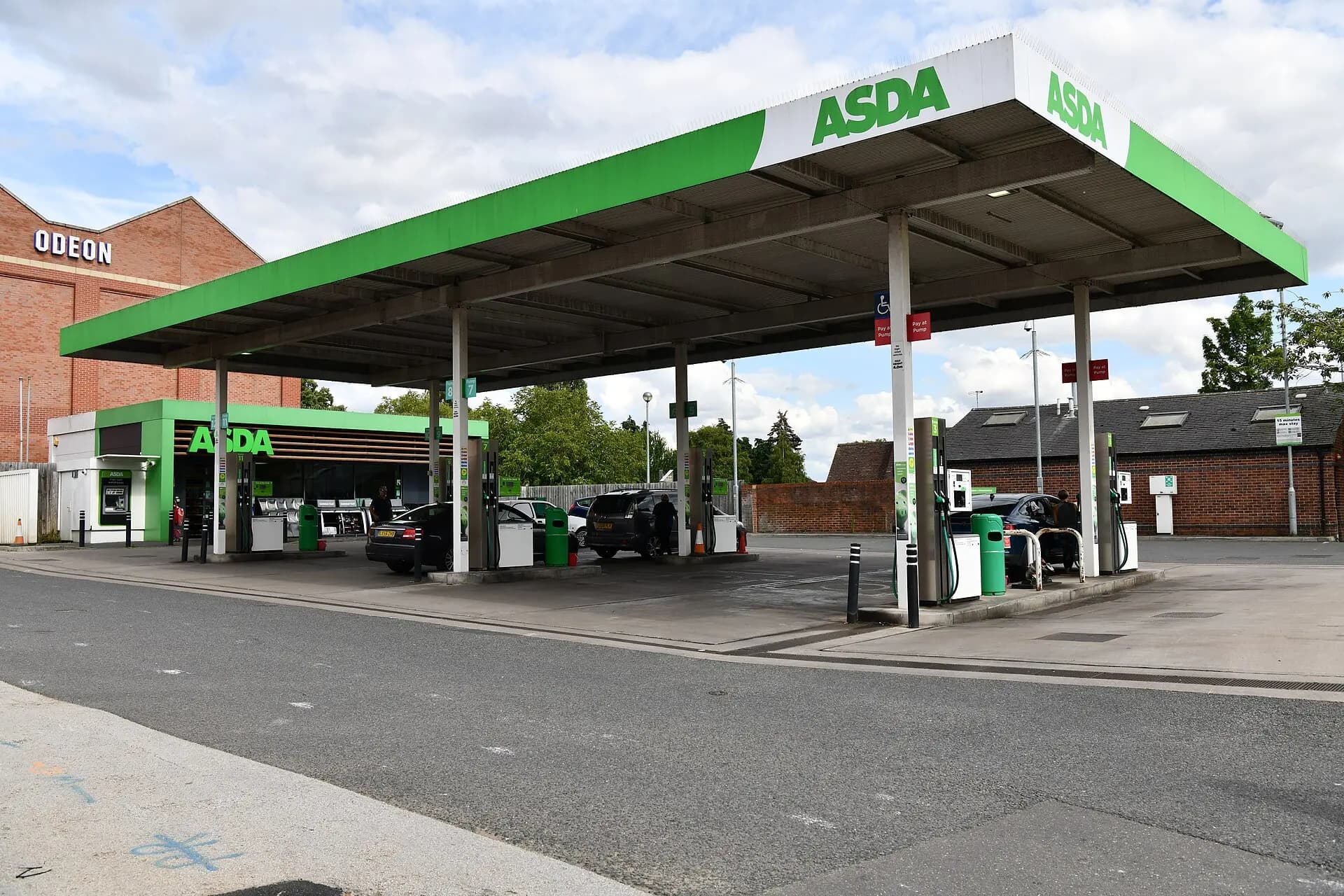
Keep Fuel Duty Affordable
Maintain Fuel Duty at a level that recognises the financial pressure placed on motorists, households and businesses, particularly during periods of exceptionally high fuel prices.
Supporting evidence
- The current rate is 52.95 pence per litre, in force since 15 June 2026 and set to run to 31 December 2026 (GOV.UK, Amended Fuel Duty rates, published 22 May 2026).
- The scheduled rates under current legislation are 55.95p from 1 January 2027, then 57.95p from 1 March 2027. GOV.UK describes this as a legislative default and says the government will confirm final rates at Budget 2026, so these figures are scheduled, not final.
- Fuel Duty is a fixed tax set by government, charged per litre before VAT is applied, so a rate change also has a knock-on effect via VAT.
- This does not claim Fuel Duty is the only reason fuel is expensive — wholesale costs, VAT and retailer margins also affect the pump price.
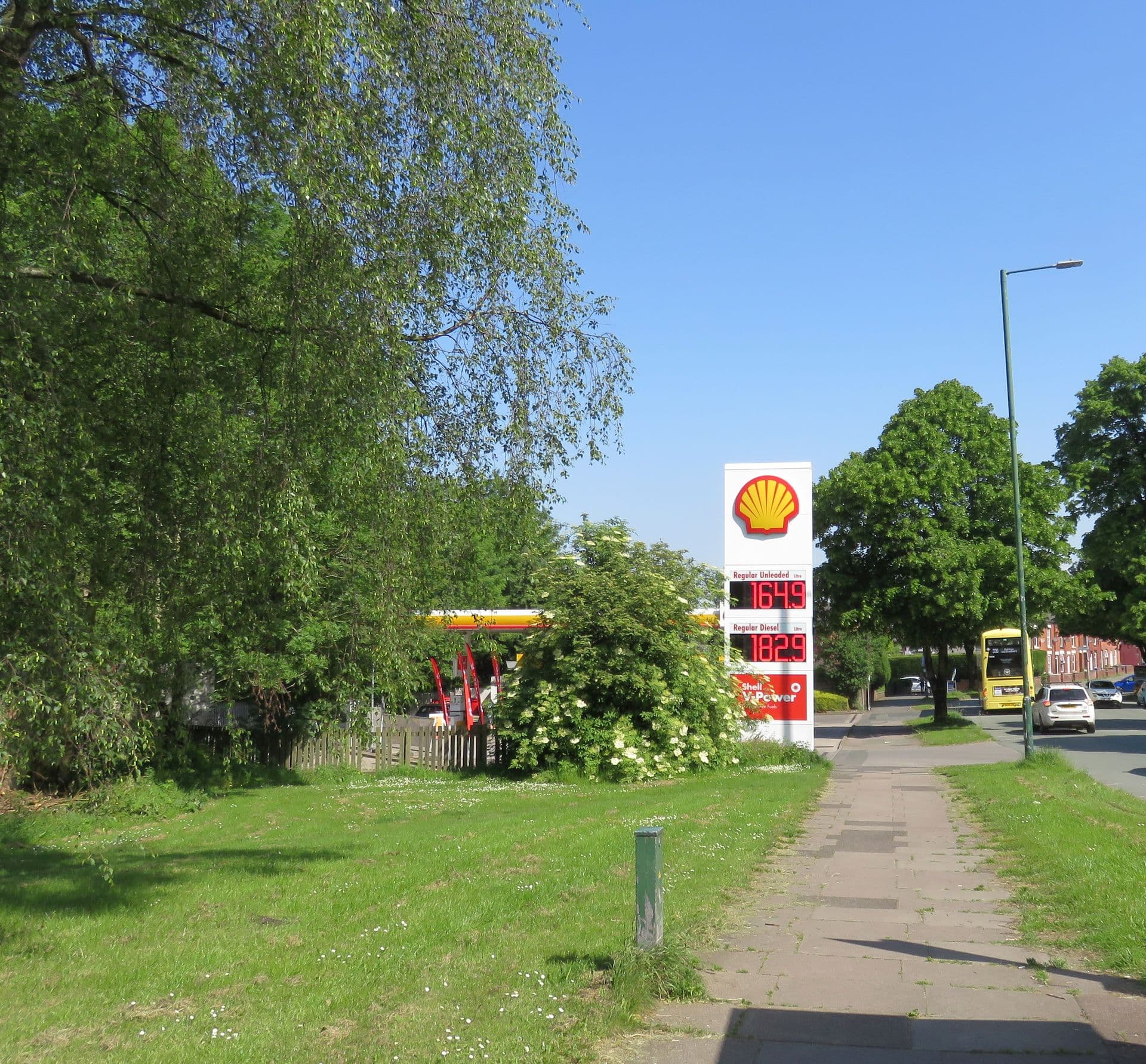
Review VAT on Petrol & Diesel
Assess whether VAT on road fuel could be reduced during periods of exceptional fuel-price pressure, and publish the estimated effect on motorists, households and businesses.
Supporting evidence
- VAT on road fuel is currently charged at the standard rate of 20%.
- VAT is charged on the fuel price including Fuel Duty, not on the pre-tax price alone — so a change to Fuel Duty also changes the amount of VAT charged.
- Illustrative arithmetic only: at 20%, VAT is one-sixth of the VAT-inclusive pump price, about 16.7p of every £1.00 spent at the pump. A lower VAT rate would reduce this proportionally, but we are not publishing our own estimate of the exact pump-price effect. See the live figures on our Follow the Money page.
- Reducing VAT is a policy choice with a direct cost to government revenue — this is a question for government to assess and answer, not a claim that it should definitely happen.
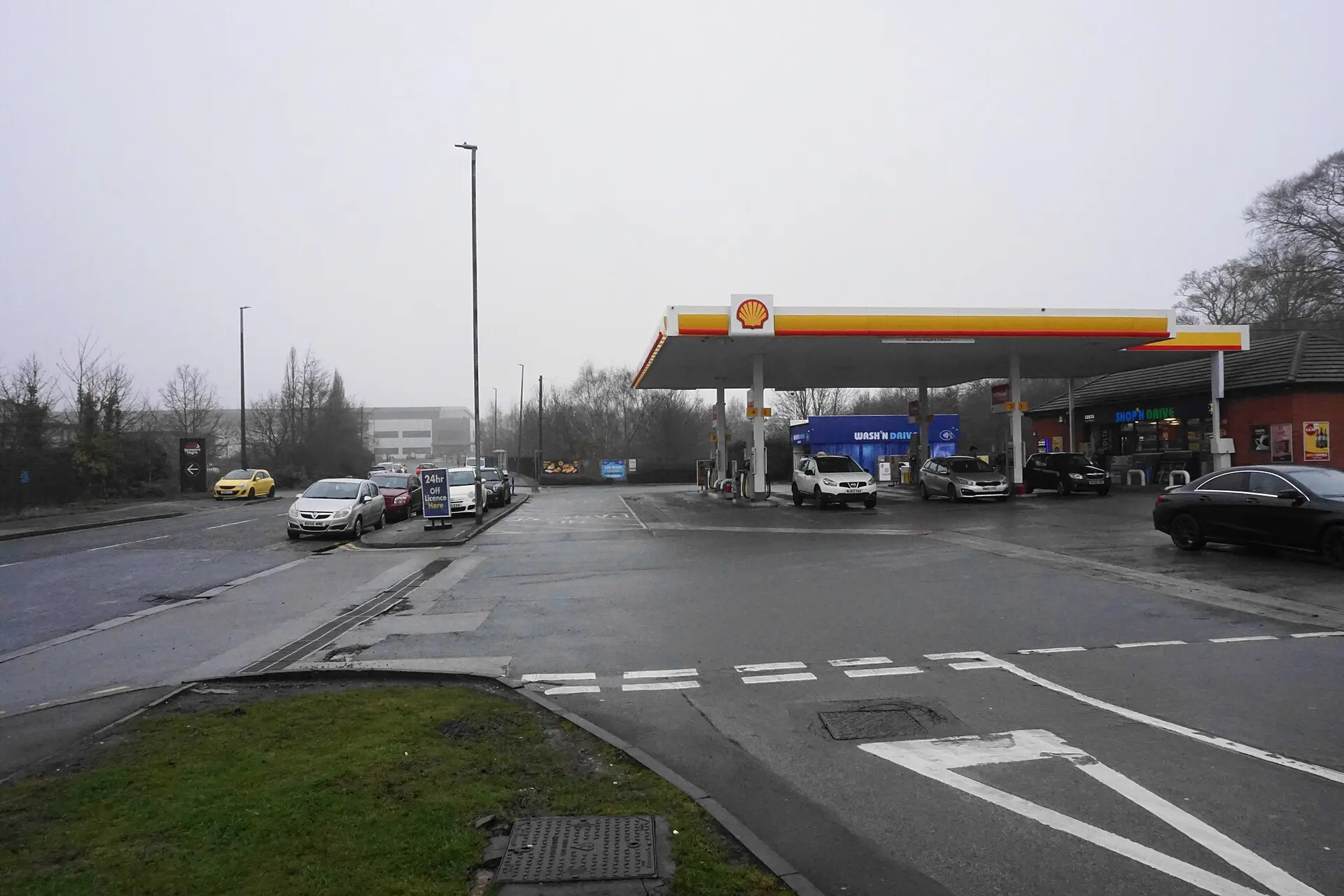
Strengthen Competition
Ensure that the fuel market remains competitive and that motorists can benefit when wholesale costs fall.
Supporting evidence
- The CMA already monitors UK road fuel margins through its Enhanced Road Fuel Monitoring programme — this is existing, independent regulatory oversight, not something FCE is proposing from scratch.
- Competition between fuel retailers is one of the mechanisms that can pass falling wholesale costs on to motorists at the pump.
- Monitoring margins and price movements over time helps show whether that pass-through is happening, without assuming the answer in advance.
- We do not accuse any individual company or the industry generally of wrongdoing — the CMA's own published findings are the evidence base, not FCE's opinion.
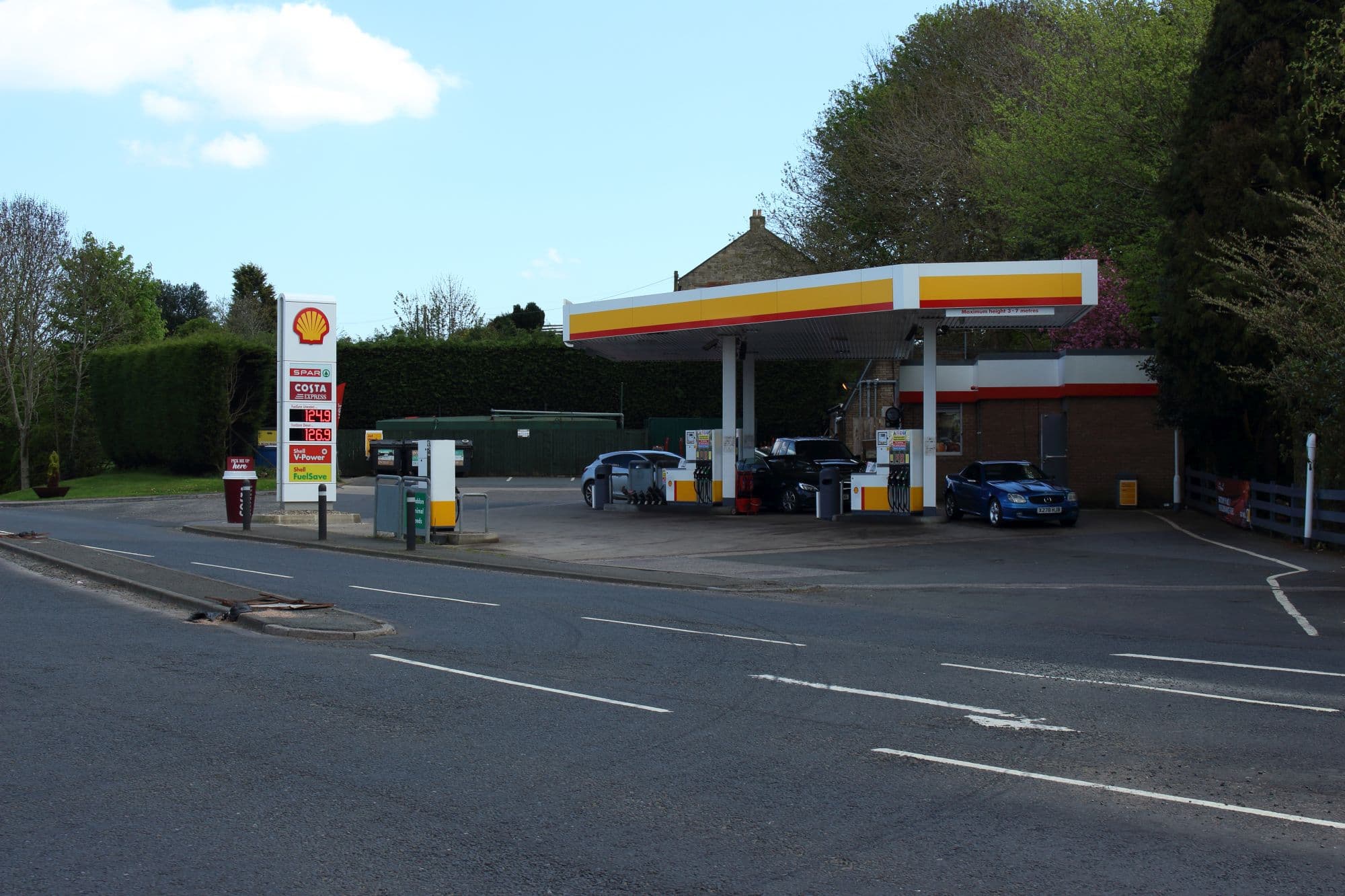
Make Fuel Pricing Transparent
Give motorists clearer information about how changes in wholesale costs, taxes and retailer margins affect the price they pay at the pump.
Supporting evidence
- Wholesale costs
- Fuel Duty
- VAT
- Retailer margins
- Regional and local price differences
- Pump-price movements over time
Protect Against Extreme Fuel-Price Shocks
FCE proposalEstablish a clear mechanism for reviewing fuel taxation and other government measures when pump prices rise exceptionally quickly or reach an objectively defined level.
Supporting evidence
- This is a policy proposal from FCE. No such review mechanism currently exists in government policy — we are not claiming otherwise.
- The mechanism could use predefined criteria, for example: a significant percentage price increase over a defined period, or pump prices reaching a defined threshold.
- Any specific percentage or price threshold shown on this site is an illustrative example only, not a proposed official figure.
- The aim is a transparent, predictable trigger for review, rather than ad-hoc decisions made without published criteria.
Recognise High Fuel Costs for Working Drivers
Review the impact of fuel costs on people and businesses that depend heavily on road travel for their work.
Supporting evidence
- Delivery drivers
- Taxi and private-hire drivers
- Tradespeople
- Small businesses
- Carers and other mobile workers
- Commuters, where practical alternatives are limited
Publish the Evidence
Require clear, accessible impact assessments before major changes to Fuel Duty, VAT or other policies affecting road-fuel costs.
Supporting evidence
- Any such assessment should, where appropriate, explain potential effects on motorists, households, businesses, transport costs and government revenue.
- This reflects FCE's existing principle across the whole site: check the evidence, ask the questions.
- We are asking for published methodology and figures, not for a specific policy outcome.
If you agree these are worth discussing, add your voice.
Sign the petitionPhoto credits and licences
The pictures on these cards are illustrative. They show places and roads, not campaign supporters.
Photo: Michael Garlick, via Wikimedia Commons (CC BY-SA 2.0)
Photo: Gerald England, via Wikimedia Commons (CC BY-SA 2.0)
Photo: Bill Boaden, via Wikimedia Commons (CC BY-SA 2.0)
Photo: Graham Robson, via Wikimedia Commons (CC BY-SA 2.0)
Photo: Chris Heaton, via Wikimedia Commons (CC BY-SA 2.0)
Photo: DS Pugh, via Wikimedia Commons (CC BY-SA 2.0)
Photo: Michael Garlick, via Wikimedia Commons (CC BY-SA 2.0)
A clear explainer
Can the Government Freeze Fuel Duty?
57.95p
Pre-2022 base rate
52.95p
Current rate
55.95p
Scheduled from 1 January 2027; final rate to be confirmed at Budget 2026
Freeze
Our campaign demand, not government policy
Who controls Fuel Duty, and how does a freeze work? →Hide detail
- Fuel Duty is set by government policy, not by a fixed formula or natural law.
- The Chancellor and HM Treasury play a central role in proposing rate changes.
- Changes are normally announced through fiscal policy events (Budgets, Autumn Statements) and implemented under the relevant legal framework, usually a statutory instrument or Finance Act provision.
- Parliament and public-finance processes may be involved, depending on how the change is implemented.
- A freeze is a policy choice, not something that happens automatically. It requires a decision to maintain the existing rate rather than let a scheduled increase take effect.
- A freeze does not necessarily reduce the underlying wholesale price of fuel. It only prevents or delays a tax-rate increase for the period covered.
Another explainer
Can Government Cap Profits During a Crisis?
Different policy mechanisms have different legal, economic and practical implications. We don't claim any one is the obvious or guaranteed solution.
Windfall tax
- What it means
- A one-off or temporary additional tax on profits considered unexpectedly high due to external circumstances, rather than a company's own decisions.
- Who could be affected
- Typically targeted at a specific sector (e.g. energy companies) rather than the whole economy.
- Legal process
- Requires new tax legislation, usually introduced at a Budget or Finance Bill and passed by Parliament.
- Possible benefits
- Can raise revenue specifically tied to a period of unusually high sector profit, which government could direct toward support measures.
- Possible risks
- Could affect investment decisions, including in future energy supply; companies may adjust pricing or investment plans in response.
- What evidence would be needed
- Clear definition of what counts as a 'windfall' versus ordinary profit, and evidence the profit arose from external circumstances rather than normal business performance.
A neutral policy-options guide
What Can Government Actually Change?
Documented areas where government has policy control, and the real constraints on changing them.
Fuel Duty
A fixed tax charged per litre on petrol and diesel, set by the UK Government.
Who controls it, history & current policy →Hide detail
- Who controls it
- HM Treasury sets the rate. Changes are typically announced at a Budget or Autumn Statement and require legislation.
- What has happened historically
- The rate has been held or cut in recent years, including a temporary 5p/litre cut introduced in March 2022 and subsequently extended. GOV.UK has also published scheduled future increases, with final rates to be confirmed at Budget 2026.
- Current policy
- 52.95 pence per litre, with increases scheduled under current legislation to 55.95p from January 2027 and 57.95p from March 2027. Final rates are to be confirmed at Budget 2026.
VAT
A percentage-based tax charged on most goods and services, including road fuel.
Who controls it, history & current policy →Hide detail
- Who controls it
- HM Treasury and Parliament set the UK VAT framework and standard rate through legislation.
- What has happened historically
- Road fuel for private motoring has consistently been charged at the standard rate rather than a reduced or zero rate.
- Current policy
- Standard rate of 20% applies to petrol and diesel.
Competition policy
Rules and monitoring intended to keep the fuel retail market competitive and prevent unfair pricing practices.
Who controls it, history & current policy →Hide detail
- Who controls it
- The Competition and Markets Authority (CMA), an independent regulator, with powers set by Parliament.
- What has happened historically
- The CMA has carried out road fuel market studies and published ongoing monitoring reports on retailer margins and regional pricing.
- Current policy
- The CMA continues enhanced monitoring of the road fuel market, publishing regular reports.
Consumer protection
Legal protections and investigatory powers relating to how businesses treat consumers, including pricing transparency.
Who controls it, history & current policy →Hide detail
- Who controls it
- Parliament sets consumer protection law; the CMA and other regulators can investigate and enforce it.
- What has happened historically
- Consumer protection law applies generally across markets, including fuel retail, and regulators can investigate specific practices where concerns are raised.
- Current policy
- Existing consumer protection and competition law continues to apply to fuel retailers.
Cost-of-living support
Targeted financial support measures government can introduce for households facing cost pressures.
Who controls it, history & current policy →Hide detail
- Who controls it
- HM Treasury and the Department for Work and Pensions, subject to Budget decisions and legislation.
- What has happened historically
- Government has introduced various cost-of-living support measures in recent years, separate from Fuel Duty policy itself.
- Current policy
- See GOV.UK for current cost-of-living support schemes, which change over time.
Taxation more broadly
The wider tax system, including income tax, fuel duty, VAT and other levies that affect household budgets.
Who controls it, history & current policy →Hide detail
- Who controls it
- Parliament, through legislation typically introduced at Budgets by HM Treasury.
- What has happened historically
- Tax policy changes generally go through a Budget process, parliamentary scrutiny, and legislation before taking effect.
- Current policy
- See HM Treasury Budget documents for the current tax policy position.
Evidence Behind Our Demands
Where This Page's Figures Come From
Every figure above is sourced and dated inline, next to the figure itself. These are the primary organisations we draw from.
Show all sources for this page
Government
GOV.UK
Official UK Government website. Search GOV.UK for weekly road fuel price statistics and fuel duty policy publications.
Visit official site GovernmentHM Revenue & Customs (HMRC)
Publishes Fuel Duty receipts and the Hydrocarbon Oils Bulletin, the source for government fuel-tax revenue figures.
Visit official siteIndependent / regulatory
Competition and Markets Authority (CMA)
Monitors competition in the road fuel market and publishes reports on pump price fairness.
Visit official site GovernmentOffice for Budget Responsibility (OBR)
The UK's independent fiscal watchdog, which publishes economic and fiscal forecasts, including the assumptions behind tax-policy costings.
Visit official site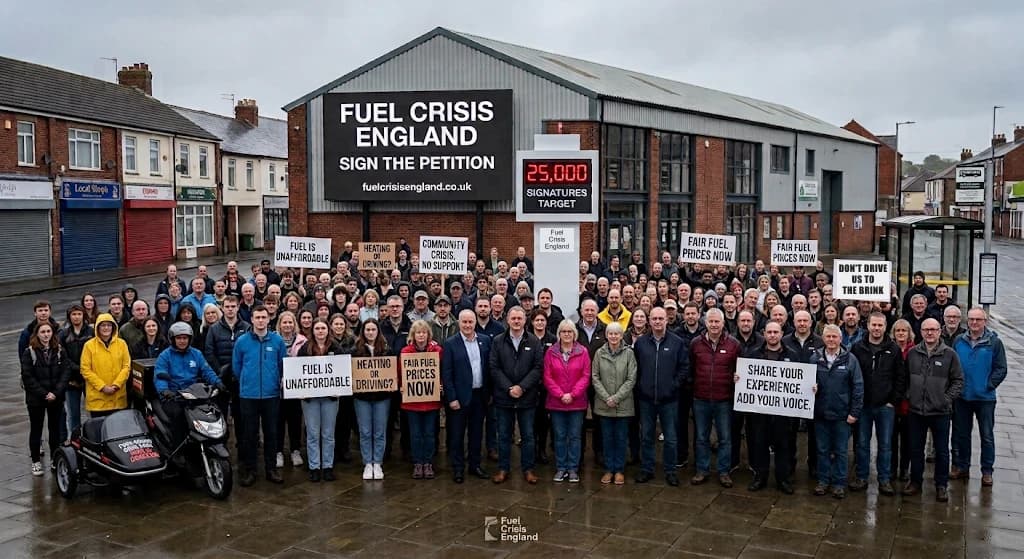
Illustration, not a photograph of a real event. Tap the image to sign. This is Fuel Crisis England's own petition, not an official UK Parliament petition.